

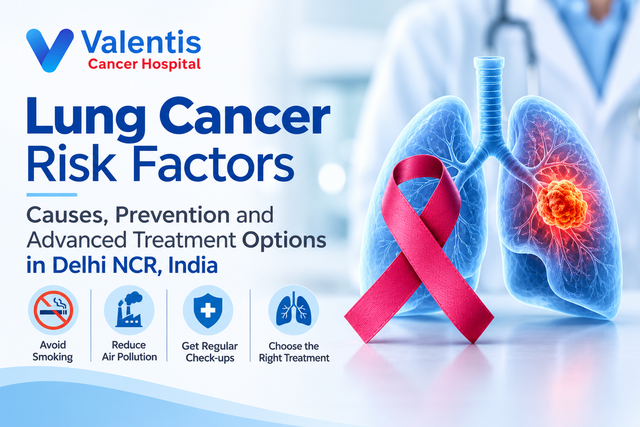
Lung cancer is one of the most serious health conditions affecting people worldwide. It develops when abnormal cells in the lungs grow uncontrollably and form tumours that may interfere with normal breathing and spread to other parts of the body. Although smoking is considered the leading cause, lung cancer can also affect individuals who have never smoked.
Understanding the major Lung Cancer Risk Factors is essential for prevention, early detection and timely medical care. Factors such as tobacco consumption, air pollution, exposure to harmful chemicals, family history and occupational hazards can increase the chances of developing this disease.
With advancements in cancer care, patients today have access to several treatment options, including surgery, chemotherapy, immunotherapy, targeted therapy and advanced radiation technologies such as CyberKnife S7.
For individuals looking for Lung Cancer Treatment in Delhi NCR or other parts of India, understanding the causes, symptoms and available treatment options can help them make informed healthcare decisions.
What Are the Major Risk Factors for Lung Cancer?
Several factors can increase the risk of developing lung cancer. Some are related to lifestyle choices, while others involve environmental exposure, genetics and workplace conditions.
1. Smoking and Tobacco Consumption
Smoking is the most significant risk factor for lung cancer. Cigarettes contain thousands of harmful chemicals, many of which are known carcinogens that can damage the cells lining the lungs.
Regular smoking increases the likelihood of developing lung cancer. The risk generally increases with the number of cigarettes smoked daily and the number of years a person has smoked.
Other tobacco products, including cigars and pipes, can also increase lung cancer risk.
Quitting smoking is one of the most important steps individuals can take to protect their lung health.
2. Exposure to Secondhand Smoke
People who do not smoke can also develop lung cancer due to prolonged exposure to secondhand smoke.
Secondhand smoke contains harmful substances released by burning tobacco products and exhaled by smokers. Individuals living with smokers or working in environments where smoking is common may experience repeated exposure.
Creating smoke-free homes, workplaces and public environments can help reduce this risk.
3. Air Pollution
Air pollution is an important environmental risk factor for lung cancer, particularly in heavily populated urban areas.
Long-term exposure to polluted air containing particulate matter, diesel exhaust and other harmful pollutants may damage lung tissues and contribute to cancer development.
People living in areas with high pollution levels should take reasonable precautions, such as avoiding heavy outdoor pollution exposure when possible and following local air-quality advisories.
4. Occupational Exposure to Harmful Chemicals
Certain occupations involve exposure to substances that may increase lung cancer risk.
These include:
- Asbestos used in construction and insulation materials.
- Arsenic found in certain industrial processes.
- Silica dust associated with mining and construction.
- Diesel exhaust from heavy machinery and vehicles.
- Chromium, nickel and other industrial chemicals.
Workers exposed to these substances over extended periods may have an increased risk, especially when combined with smoking.
Following workplace safety regulations and using appropriate protective equipment are important preventive measures.
5. Family History and Genetic Factors
Family history may influence an individual’s likelihood of developing lung cancer. People with close relatives who have experienced lung cancer may have a higher risk.
Certain inherited genetic characteristics can influence how the body responds to environmental carcinogens or repairs damaged cells.
However, having a family history does not mean that a person will necessarily develop lung cancer.
6. Radon Gas Exposure
Radon is a naturally occurring radioactive gas released from soil and rocks. It is colourless, odourless and cannot be detected without appropriate testing.
Prolonged exposure to elevated indoor radon levels can increase the risk of lung cancer.
Although radon-related risk varies geographically, awareness of indoor environmental exposure is important.
7. Previous Lung Diseases and Age
Certain chronic lung conditions and previous lung damage may be associated with an increased risk of lung cancer.
Age is another important factor, as the likelihood of developing cancer generally increases over time due to accumulated cellular damage and exposure to risk factors.
However, lung cancer can also occur in younger individuals, including people who have never smoked.
Common Warning Signs and Symptoms of Lung Cancer
Recognising early symptoms can help patients seek medical attention without unnecessary delays.
Some common warning signs include:
- Persistent cough that does not improve.
- Coughing up blood or blood-stained mucus.
- Chest pain or discomfort.
- Difficulty breathing or shortness of breath.
- Unexplained weight loss.
- Persistent fatigue and weakness.
- Repeated chest infections.
- Hoarseness or changes in voice.
- Loss of appetite.
These symptoms can occur due to several medical conditions and do not automatically indicate lung cancer. However, persistent or unexplained symptoms should be evaluated by a qualified medical professional.
How Can Lung Cancer Be Prevented?
Although not every case of lung cancer can be prevented, reducing exposure to known risk factors can help lower the chances of developing the disease.
Some important preventive measures include:
- Avoid smoking and tobacco products.
- Stay away from secondhand smoke.
- Follow workplace safety guidelines when handling hazardous materials.
- Reduce exposure to air pollution whenever possible.
- Maintain a healthy lifestyle with regular physical activity and balanced nutrition.
- Seek medical advice if you have persistent respiratory symptoms.
- Discuss appropriate screening with your doctor if you have a significant smoking history or other risk factors.
For eligible high-risk individuals, doctors may recommend low-dose CT screening. Screening decisions should be based on individual risk assessment and applicable medical guidelines.
Diagnosis of Lung Cancer
Accurate diagnosis is essential for determining the most appropriate treatment.
Depending on the patient’s symptoms and medical history, doctors may recommend:
- Chest X-ray to identify suspicious abnormalities.
- CT scan to examine the lungs in greater detail.
- PET-CT scan to evaluate the extent of suspected cancer.
- Bronchoscopy to examine the airways and collect tissue samples.
- Biopsy to confirm the presence and type of cancer.
- Molecular and genetic testing to identify biomarkers that may guide targeted treatment.
The cancer stage, tumour characteristics and patient’s overall health help specialists develop an individualised treatment plan.
Advanced Lung Cancer Treatment in Delhi NCR, India
Treatment for lung cancer depends on its type, stage, location and the patient’s overall medical condition.
Patients seeking Lung Cancer Treatment in India can benefit from several modern treatment approaches.
1. Surgery
Surgery may be recommended for selected patients with early-stage lung cancer. Depending on the tumour’s location and size, surgeons may remove a portion of the lung or an entire affected lobe.
2. Chemotherapy
Chemotherapy uses specialised medicines to destroy cancer cells or prevent their growth. It may be recommended before surgery, after surgery or as part of treatment for advanced lung cancer.
3. Immunotherapy
Immunotherapy helps the body’s immune system recognise and attack cancer cells. It may be suitable for certain patients depending on their cancer type and biomarker results.
4. Targeted Therapy
Targeted therapy focuses on specific genetic changes or molecular abnormalities responsible for cancer growth. Molecular testing helps doctors determine whether a patient may benefit from these medicines.
5. CyberKnife S7 Treatment for Lung Cancer
CyberKnife S7 is an advanced robotic radiation therapy system that delivers highly focused radiation to selected cancerous tumours.
CyberKnife S7 Treatment for Lung Cancer in Delhi NCR can be considered for carefully selected patients, particularly those with localised lung tumours who may not be suitable candidates for conventional surgery or who require a precision-based radiation treatment approach.
The system combines advanced imaging, robotic technology and tumour-tracking capabilities to help deliver radiation accurately. Since lung tumours can move during breathing, respiratory motion tracking is an important feature of specialised lung radiation treatment.
Some potential advantages include:
- Non-invasive treatment without surgical incisions.
- Highly focused radiation delivery.
- Real-time tumour tracking and motion management.
- Reduced radiation exposure to surrounding healthy tissues.
- Treatment in a limited number of sessions for selected patients.
- Minimal interruption to everyday activities compared with major surgery.
CyberKnife S7 is not appropriate for every lung cancer patient. Its suitability depends on tumour size, location, stage, previous treatments and the patient’s overall condition. A radiation oncologist must evaluate the case before recommending this treatment.
Lung Cancer Treatment in Delhi NCR at Valentis Cancer Hospital
Choosing the right cancer hospital is an important step towards receiving appropriate diagnosis and treatment. Patients looking for Lung Cancer Treatment in Delhi NCR should consider a hospital with modern technology, experienced cancer specialists and personalised treatment planning.
Valentis Cancer Hospital, located in Meerut, Uttar Pradesh, provides comprehensive cancer care supported by advanced medical technologies and multidisciplinary treatment planning.
The hospital offers advanced CyberKnife S7 robotic radiation therapy, which may provide a precision-based treatment option for eligible patients with selected lung tumours.
Patients from Meerut, Delhi NCR and other parts of India can consult the hospital to understand their diagnosis and explore suitable treatment options.
The hospital focuses on modern cancer treatment approaches, individualised care and helping patients understand their available medical choices.
Understanding the major Lung Cancer Risk Factors is essential for reducing preventable risks and recognising the importance of early diagnosis. Smoking, secondhand smoke, air pollution, occupational exposure, radon and genetic factors can all contribute to the development of lung cancer.
Modern medical advancements have expanded the available treatment options, including surgery, chemotherapy, immunotherapy, targeted therapy and precision radiation treatments such as CyberKnife S7.
For individuals exploring Lung Cancer Treatment in Delhi NCR or Lung Cancer Treatment in India, Valentis Cancer Hospital offers advanced cancer care supported by CyberKnife S7 robotic radiation therapy for eligible patients.
If you or a family member experiences persistent respiratory symptoms or has been diagnosed with lung cancer, consult an experienced cancer specialist for proper evaluation and personalised treatment guidance.
Valentis Cancer Hospital is committed to providing advanced, patient-focused cancer care with modern technology and comprehensive treatment planning.
